Pinellas Park Homes & Pool Project Planning
1978Median home construction year
52.4%Detached housing units
69%Owner occupied homes
4.8Median rooms per housing unit
U.S. Census ACS 2020 to 2024 five year estimates. Housing data describes the community; it does not measure pool ownership, pool age or pool size.
Local repair and resurfacing considerations
Understand separate installation dates
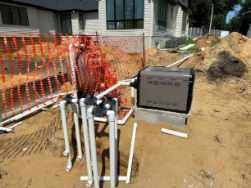
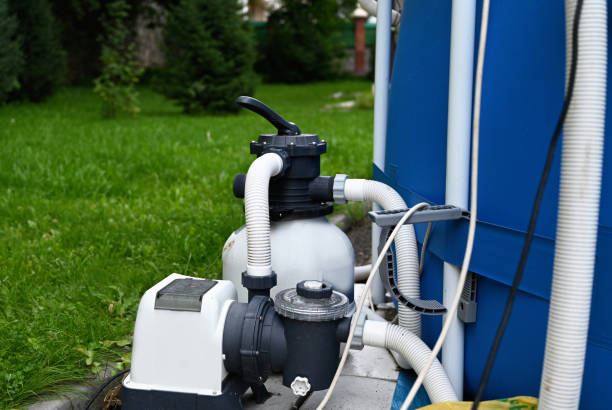
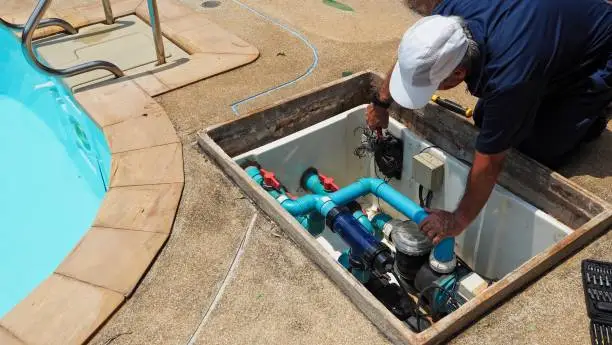
Pinellas Park has an estimated 25,640 housing units, including 13,443 detached homes. Its housing construction median does not prove a pump or finish is original. A recent motor can be connected to an older housing, while a heater may have been added later. Share labels and receipts identifying each change. Missing records should stay identified as missing rather than becoming a reason to discard every component.
Measure beyond the water footprint
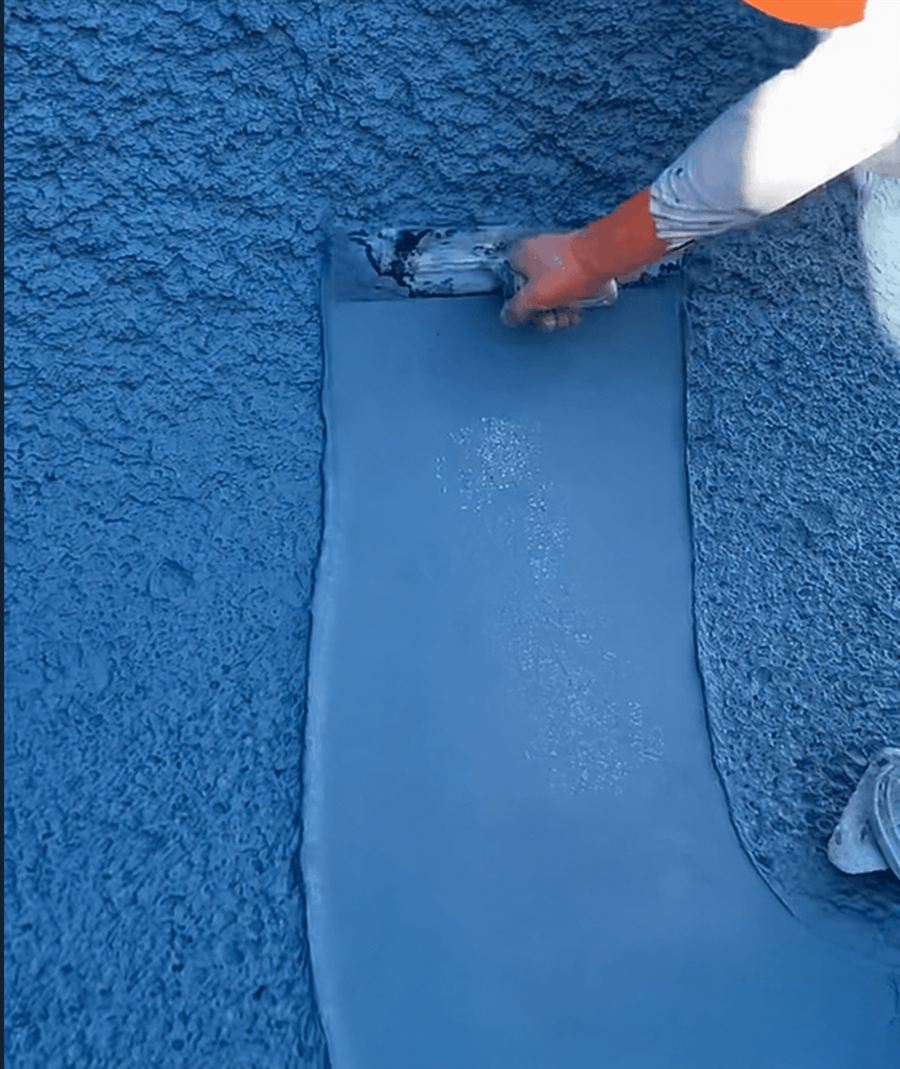
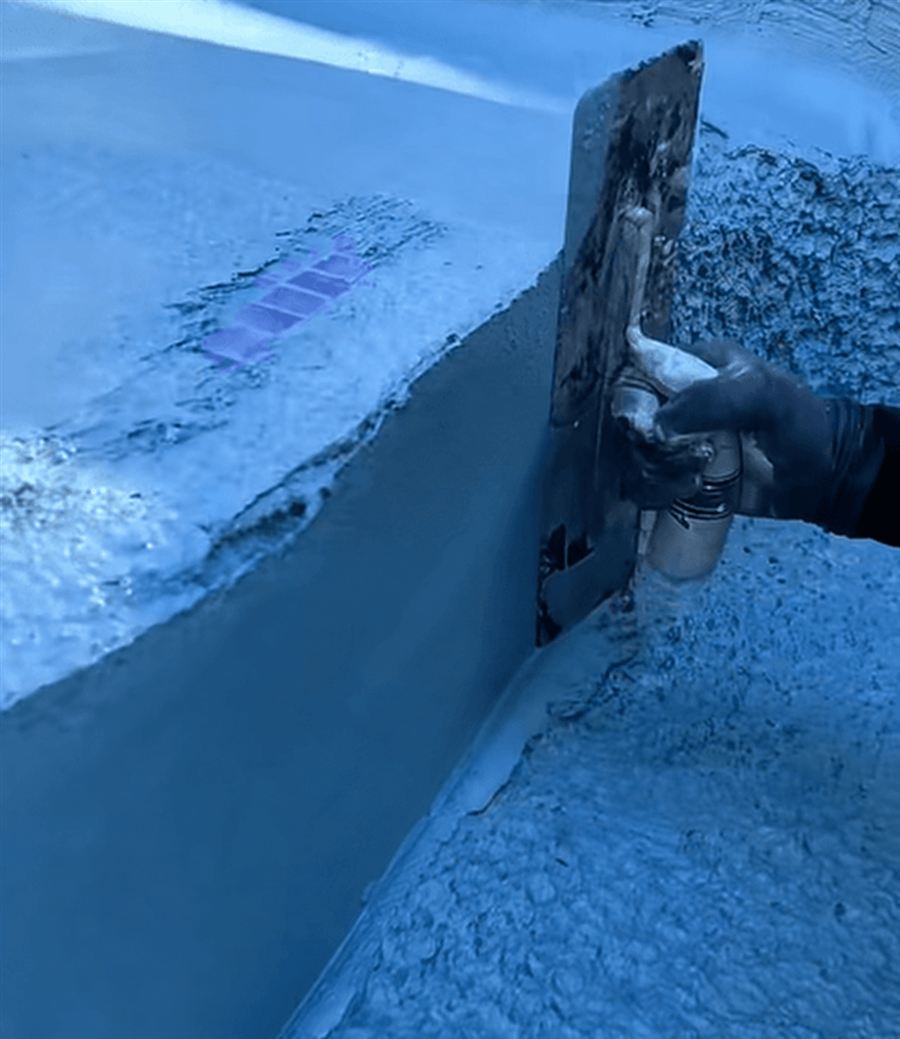
The estimated median room count is 4.8 per housing unit, which cannot establish pool size. Finish quantities include floor and wall area, depth changes, steps and benches. Ask whether preparation, fittings, markings and tile are included. Homeowners and managers can then compare materials against the same measured interior. Two pools of the same length may require different quantities and different preparation before the new finish is applied.
Separate detection from the correction
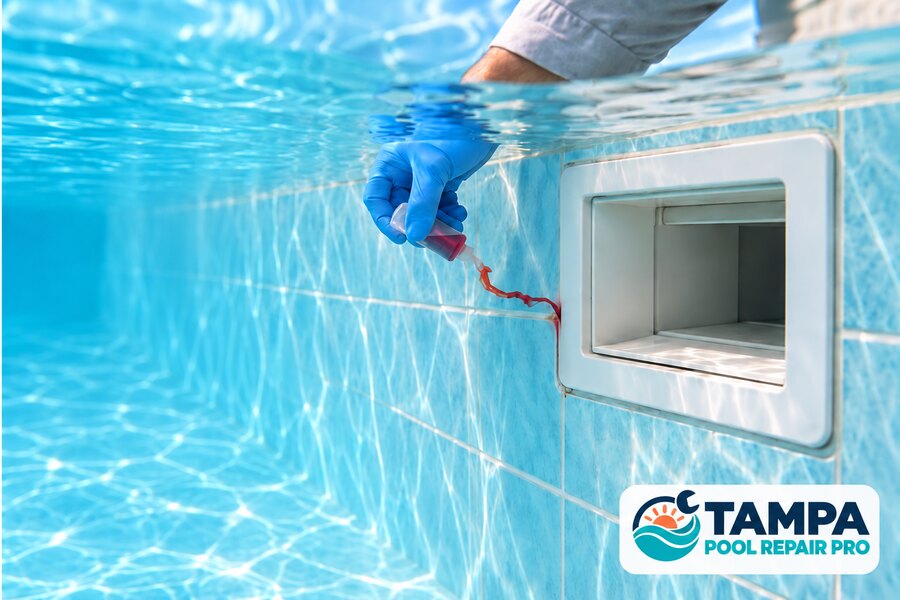
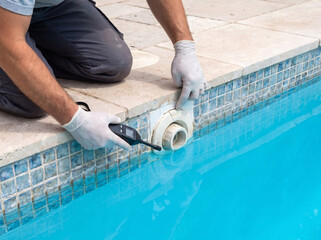
A repeated refill concern needs a defined investigation before a repair is priced. Describe when the loss began, recent work and whether automatic filling is installed. These observations help explain the request without proving its cause remotely. Detection findings should identify what was investigated and the next proposed correction. Pinellas Park publishes permit and inspection guidance; confirm requirements for the actual scope rather than assuming every parts repair needs the same planning as new construction.
Make a water loss report useful to the approving owner
For a Pinellas Park pool needing frequent refills, write down the dates you noticed the change and the dates of recent equipment or finish work. Mention an automatic filler instead of trying to infer the leak location from a water bill alone. A photograph can show the pool and access conditions, but it cannot establish which concealed component needs repair. The detection findings should explain the investigation and the next recommended action. Ask whether the proposed correction involves additional access, fitting replacement or finish work. Keep that separate from the detection charge so an owner can decide with the full price in view. If a manager coordinates the visit, identify who receives the findings and who is authorized to approve the correction.
Local research sources