St. Petersburg Homes & Pool Project Planning
1969Median home construction year
55.3%Detached housing units
62.8%Owner occupied homes
4.8Median rooms per housing unit
U.S. Census ACS 2020 to 2024 five year estimates. Housing data describes the community; it does not measure pool ownership, pool age or pool size.
Local repair and resurfacing considerations
The area's older housing median does not date every pool
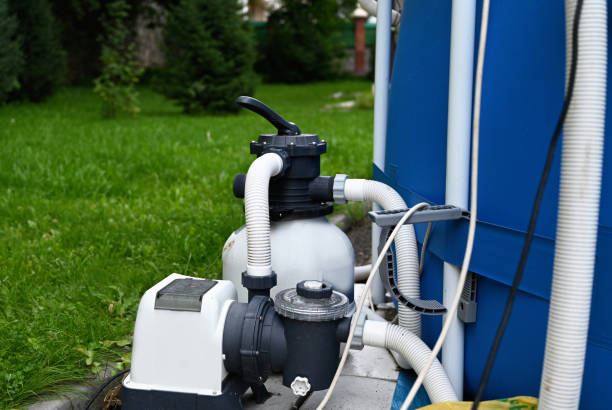
St. Petersburg has an estimated 141,508 housing units, including 78,301 detached houses. The 1969 construction median describes buildings rather than pool finishes, heaters or motors. Record known replacements individually. A newer motor can operate with an older housing, while controls may have changed again later. We use present model information and condition to describe the affected part. That gives a homeowner a more precise basis for choosing work than treating a property's entire pool system as one original installation.
Compare scopes across different property types
Detached houses represent about 55.3% of housing units, and owner occupancy is estimated at 62.8% of occupied homes. Neither figure counts private or shared pools. Confirm the facility's actual use when requesting service. A business or association needs its authorized manager and operator involved in equipment selection and closure planning. A replacement should match its operating requirements. Residential examples can explain the kind of work offered but cannot establish the correct specification for a shared facility.
Coordinate finish work and municipal planning
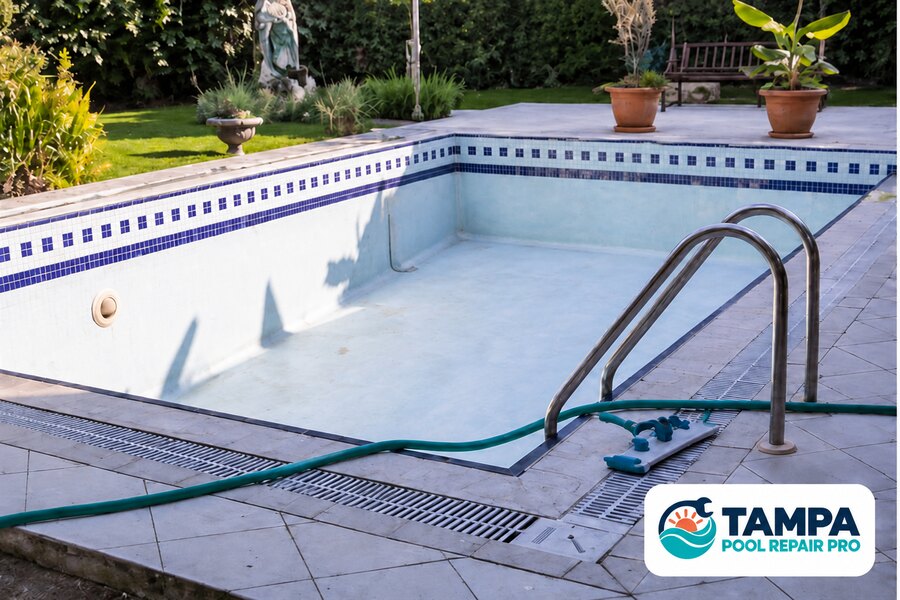
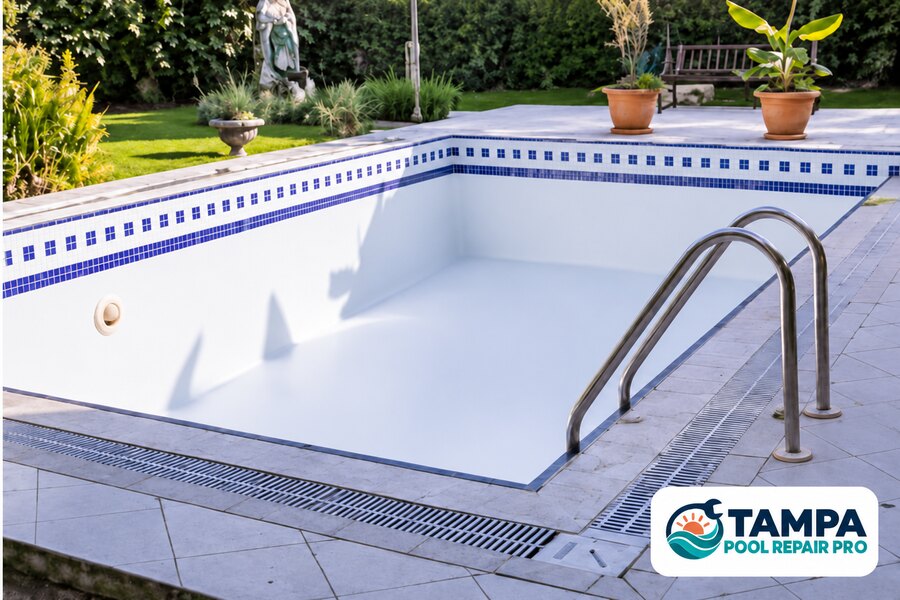
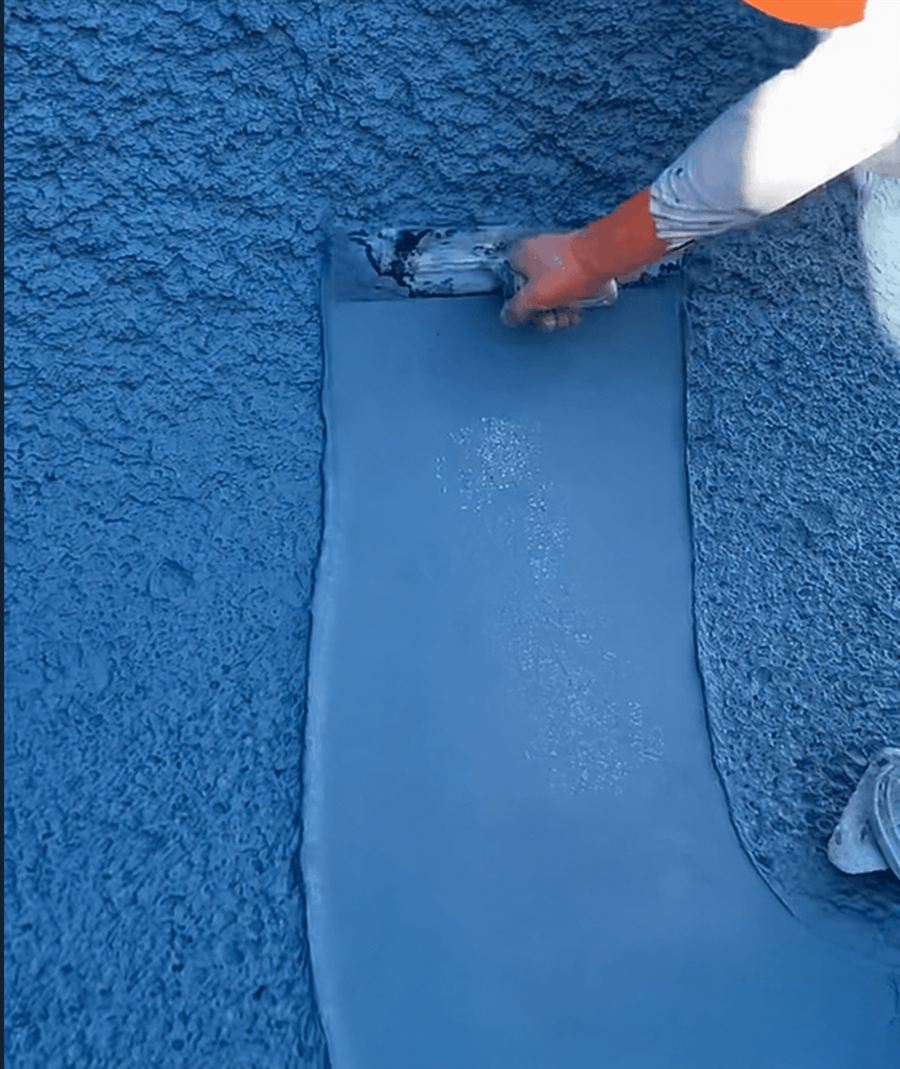
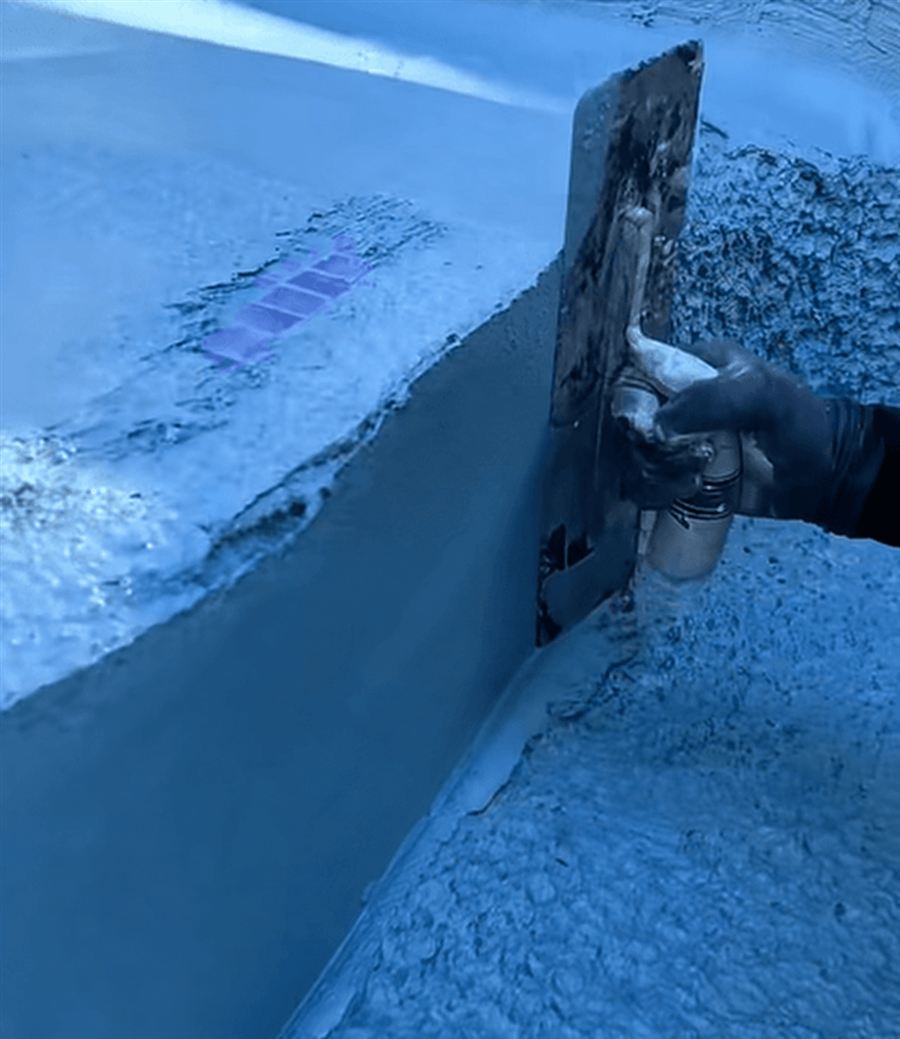
Pinellas County's building department directory identifies separate municipal offices, including St. Petersburg. Use the address and full scope when confirming requirements. For finish pricing, measure the actual interior: the local median room count of 4.8 is not a pool size estimate. Walls, stairs, benches and spa features add surface beyond the water footprint. Identify preparation and related fitting changes, then agree on filling and startup responsibilities. The finished application and the return to use decision should be planned as distinct parts of the handoff.
Separate preservation of working parts from optional upgrades
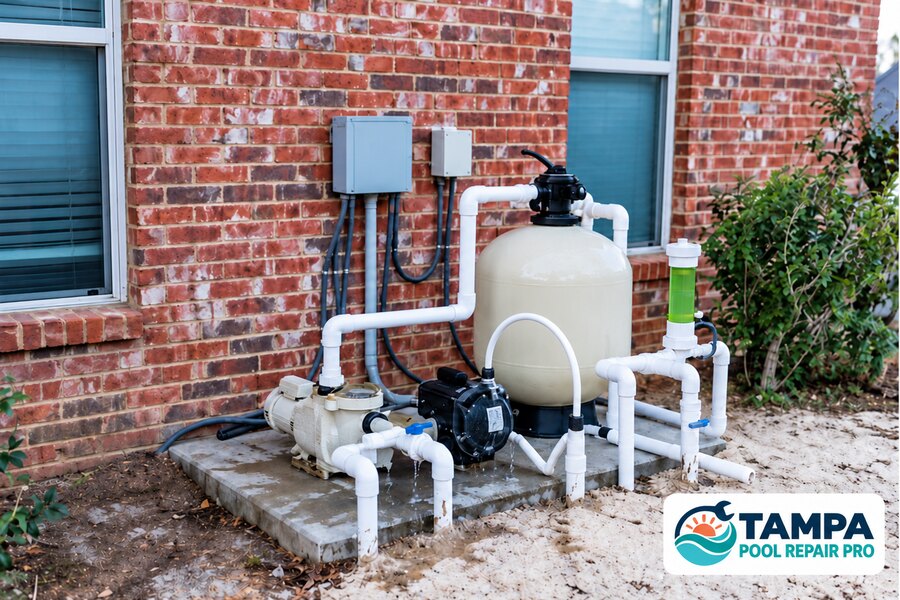
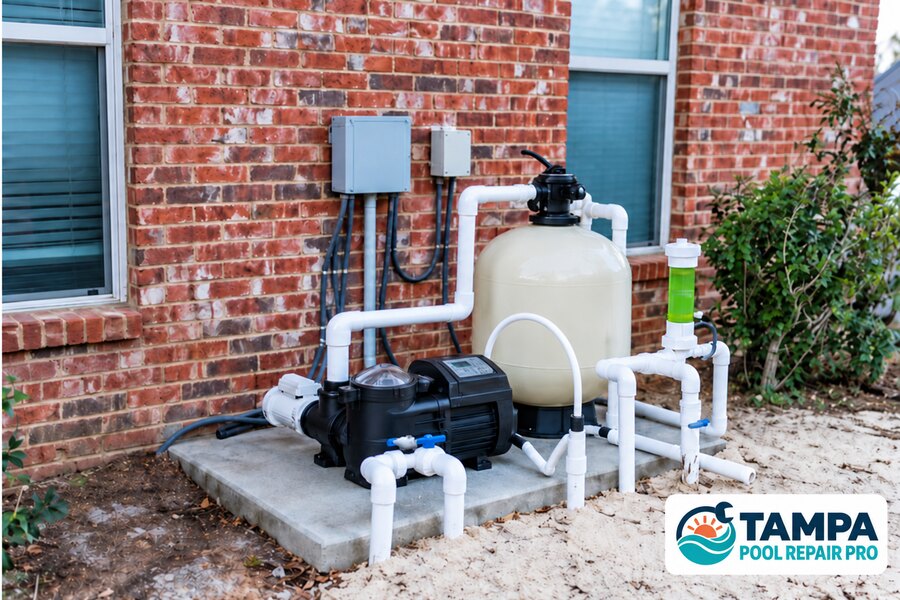
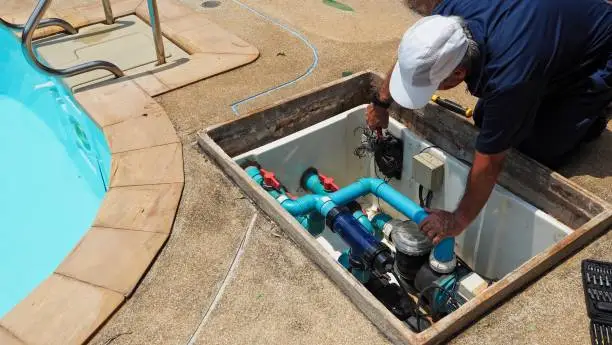
An established St. Petersburg pool may have useful components from several upgrade periods. When comparing proposals, ask the contractor to distinguish the work required to address the current fault from optional improvements. A heater that is operating correctly does not become a required replacement merely because a pump needs attention. Likewise, an interior finish decision should explain its own preparation and material scope. If coordination makes it practical to complete several jobs together, the reasons and prices should remain visible. This is especially useful when more than one owner or manager reviews the proposal. Everyone should understand which work restores the affected function and which work changes the system beyond that immediate need before approving the final budget.
Local research sources